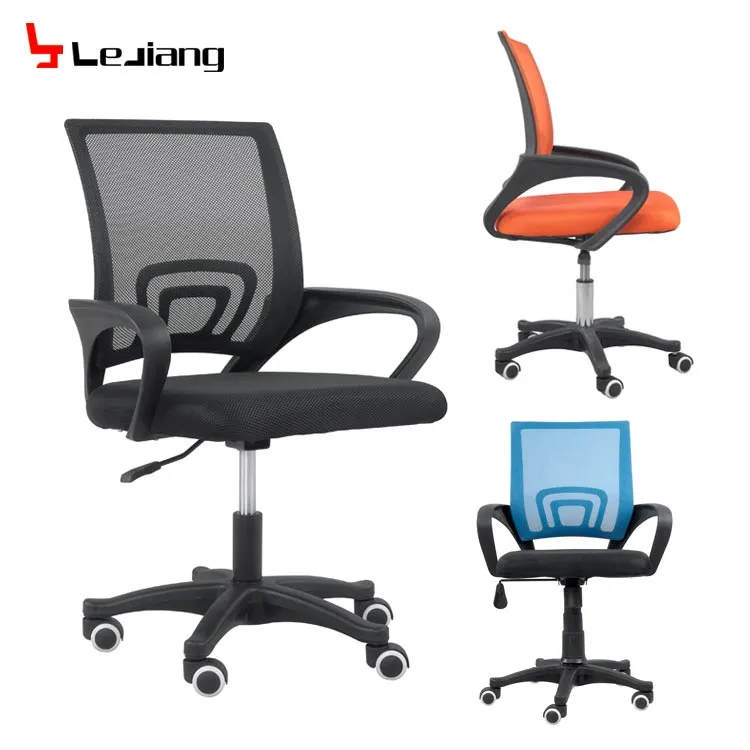
Office Chair Classification
Aug 07, 2021
Leave a message
In terms of material composition, office chairs can be categorized into various types including leather office chairs, PU leather office chairs, cloth office chairs, mesh office chairs, and plastic office chairs. Each type of office chair has its own unique characteristics and advantages. Leather office chairs provide a luxurious and elegant appearance, while PU leather office chairs offer similar aesthetics at a more affordable price point. Cloth office chairs are often preferred for their durability and easy maintenance, while mesh office chairs are known for providing excellent breathability and flexibility. Plastic office chairs are lightweight, inexpensive, and easily customizable, making them a popular choice for many workplaces. Regardless of the material composition, selecting the right office chair can significantly enhance productivity and comfort in the workplace.
Regarding their functions, chairs can be classified into various types, including boss chairs, work chairs, staff chairs, supervisor chairs, conference chairs, meeting chairs, ergonomic chairs, and so on. Each type serves a specific purpose and is designed to meet the needs of different users. The boss chair, for instance, is intended for those who occupy high managerial positions and require maximum comfort and support during long working hours. In contrast, a work chair is generally used by regular employees who spend most of their time sitting at a desk and performing various tasks. Similarly, a supervisor chair is designed to offer a middle ground between the top-level executives and lower-level employees. In summary, chairs come in various types and are designed to cater to different users' needs, be it comfort, support, or functionality.
Different use occasions for the space can include a variety of settings such as offices, open staff offices, meeting rooms, reading rooms, library rooms, training classrooms, laboratories and staff dormitories or staff canteens. Each of these spaces serves a specific purpose and plays an essential role in ensuring the smooth and efficient operation of the organization. Whether it's a place to work, learn, socialize or simply relax, every space contributes to the overall effectiveness of the institution. With dedicated facilities, staff can perform their duties with ease, and the needs of different individuals and groups can be met in a thoughtful and efficient manner.